
CFI Electric Ltd
Blog
What Are the Safety Risks of DIY Electrical Work?
Introduction: Why DIY Electrical Work Is Especially Risky in Oshawa Homes
In Oshawa, Ontario, many homeowners enjoy tackling renovation projects themselves. Painting, flooring, and minor carpentry are common DIY tasks. Electrical work, however, is fundamentally different.
Electricity is not forgiving. A small wiring mistake can cause shock, fire, equipment damage, or failed inspections. Yet many homeowners attempt to replace outlets, install lighting, or even upgrade panels without understanding the full safety and legal implications.
So what are the real safety risks of DIY electrical work?
This guide explains the dangers, the legal requirements in Ontario, and why licensed electrical work protects both your home and your insurance coverage.
The Immediate Physical Risks
The most obvious danger of DIY electrical work is personal injury. Electricity cannot be seen, smelled, or heard under normal conditions. That invisibility makes it dangerous.
Improper handling can result in:
Electrical shock
Severe burns
Cardiac arrest
Arc flash injuries
Even household voltage can be fatal under certain conditions. Many injuries occur because homeowners underestimate how much power is present inside panels and junction boxes.
In older Oshawa homes, outdated wiring systems can increase risk because insulation may be brittle or grounding may be incomplete.
Fire Hazards Hidden Behind Walls
One of the most serious consequences of improper electrical work is fire.
Electrical fires often begin silently. Loose connections, undersized wires, or overloaded circuits can overheat gradually before igniting surrounding materials.
Common DIY mistakes that lead to fire risk include:
Using incorrect wire gauge
Overloading circuits
Improper breaker sizing
Loose wire terminations
Improper splicing inside walls
Because wiring is hidden, problems may not appear until months later. By the time smoke is visible, significant damage may already be underway.
Code Violations and ESA Compliance in Ontario
In Oshawa, Ontario, electrical work must comply with the Ontario Electrical Safety Code. Many types of electrical projects require ESA permits and inspection.
DIY installations that skip permit filing may result in:
Failed inspections during home sales
Insurance claim denial
Mandatory removal of non-compliant wiring
Additional repair costs
Electrical code exists to prevent hazards. It governs grounding methods, breaker sizing, load calculations, and proper material use. Without technical training, it is easy to overlook these requirements.
Overloaded Panels and Service Miscalculations
Modern homes in Oshawa use more electricity than ever before. When homeowners add new appliances, EV chargers, or basement renovations without performing proper load calculations, panels can become overloaded.
Improper upgrades may cause:
Repeated breaker trips
Damaged appliances
Panel overheating
Service capacity failure
Electrical load calculations require understanding amperage demand and balancing circuits correctly. Guesswork in this area can compromise the entire system.
Insurance and Liability Risks
Insurance companies often require proof that major electrical work was completed by a licensed electrician.
If a fire or electrical failure occurs and investigators discover unauthorized DIY wiring, coverage may be denied. This leaves homeowners financially responsible for:
Structural repairs
Property replacement
Liability claims
Beyond physical safety, there is significant financial exposure when electrical work is done improperly.
The Difference Between Simple and Complex Electrical Work
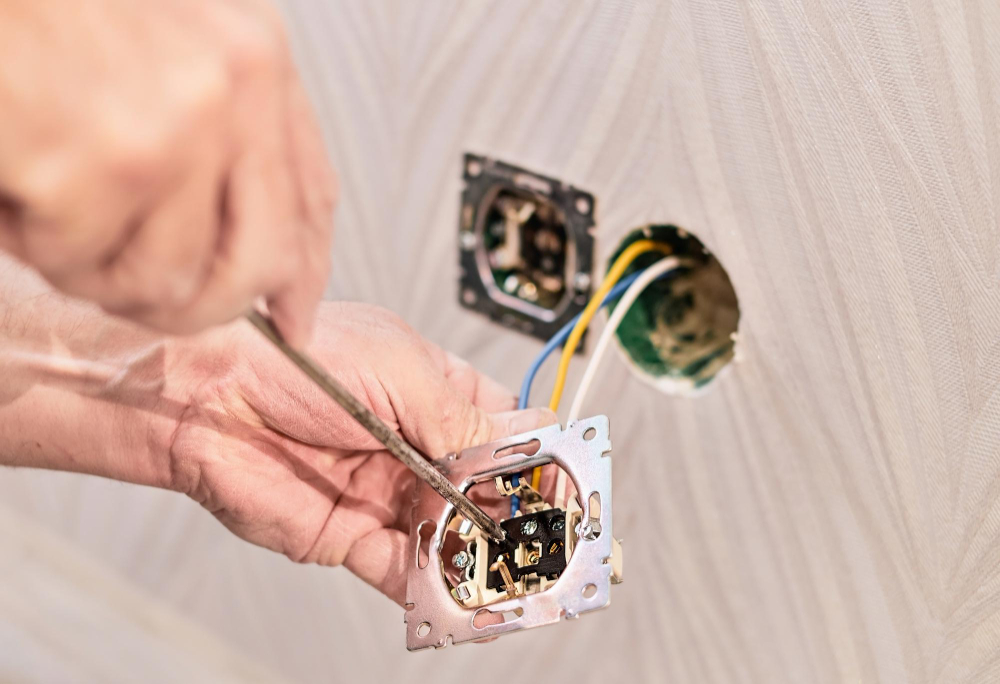
Some homeowners believe replacing a switch or outlet is harmless. In reality, even small tasks can reveal deeper issues.
Below is a comparison of perceived simplicity versus actual risk.
What appears straightforward often involves load balancing, grounding continuity, and code-specific installation techniques.
Step-by-Step: Where DIY Electrical Work Goes Wrong
Electrical hazards often follow a predictable pattern.
1. Incomplete Power Isolation
Homeowners may switch off the wrong breaker or fail to test for live wires properly.
2. Incorrect Material Selection
Using the wrong wire gauge or breaker size creates overload risk.
3. Improper Connections
Loose terminals or poorly twisted wires generate heat.
4. Hidden Installation Errors
Improper splicing inside walls may go unnoticed until failure occurs.
5. No Inspection
Without ESA inspection, mistakes remain undetected.
Each of these steps increases safety risk.
Long-Term Consequences of DIY Electrical Work
Beyond immediate hazards, improperly installed wiring can cause ongoing system instability.
Over time, this may result in:
Premature appliance failure
Chronic breaker issues
Voltage fluctuations
Electrical noise in sensitive equipment
In commercial settings in Oshawa, these problems can disrupt operations and increase downtime.
Frequently Asked Questions
Is it illegal to do your own electrical work in Ontario?
Homeowners may perform certain electrical work on their own property, but ESA permits and inspections are often required. Commercial electrical work must be performed by licensed electricians.
What is the biggest danger of DIY electrical work?
The most serious risks are fire and electrocution caused by improper wiring or overloaded circuits.
Can improper wiring affect home insurance?
Yes. Insurance companies may deny claims if electrical damage is linked to unlicensed or non-compliant work.
Are small electrical repairs safe to DIY?
Even minor repairs can introduce grounding or load issues if not done correctly.
When should I call a licensed electrician?
Any work involving panels, new circuits, service upgrades, or complex wiring should always be handled by a professional.
Conclusion: Protecting Your Home in Oshawa, Ontario
DIY electrical work may seem cost-effective at first, but the risks — physical injury, fire hazards, code violations, and insurance complications — far outweigh potential savings.
Electrical systems are complex and tightly regulated for good reason. Safe installation requires technical knowledge, proper load calculations, and compliance with Ontario Electrical Safety Code standards.
For homeowners and business owners in Oshawa, Ontario, CFI Electric Ltd provides licensed electrical services and emergency electrician support to ensure installations are safe, compliant, and reliable. Investing in professional electrical work protects both your property and your long-term safety.

SERVICES
HELPFUL LINKS
CONTACT INFORMATION
Phone: (416) 575-9999
Location: Oshawa, ON L1H 4E1
Master Electrician License #6002110 ESA Contractor: 7001418
ECRA: MCR 1290

Your privacy is extremely important to us. The trust placed in us by our customers is absolutely essential to our success. We understand that and do all we can to earn and protect that trust. We do not share, sell, loan or use your personal information with any outside companies or third parties without your consent. We will use your personal information as needed when communicating with ESA (Electrical Safety Authority) and/or the local hydro utility (such as Toronto Hydro, Alectra, Oakville Hydro, etc...) to pull out permits, organize inspections and ensure that our work is compliant with OBC and OESC for your property.
@ Copyright 2026• CFI ELECTRIC LTD. • All Rights Reserved
Website Done By: LocalEyes